Start with a smaller step
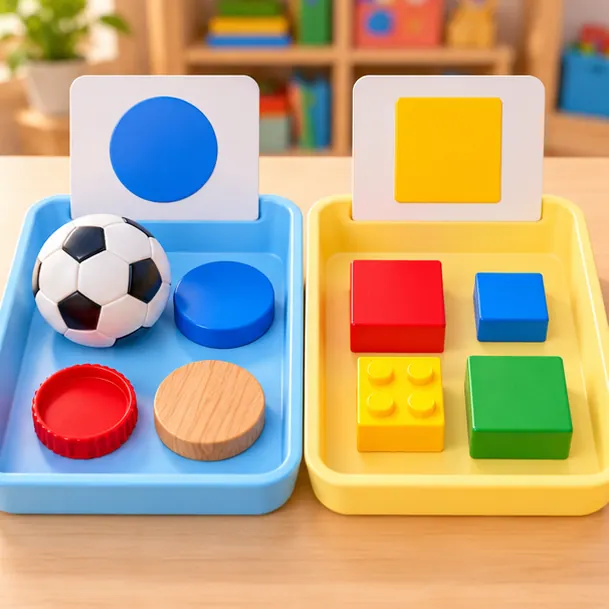
Use just one instruction and large shapes, or let the child point while an adult colors the example.
Color, Learn & Create with Kids4U
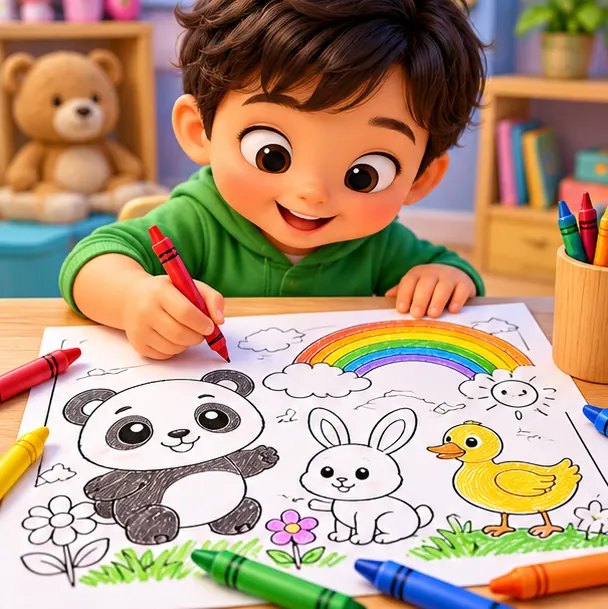
Use coloring to practice following instructions, identifying shapes, noticing numbers and talking about choices.
Color a circle blue, a square yellow, or a numbered picture using a simple rule.
Invite the child to color one Kids4U character or scene using a simple clue, such as making circles blue or adding a chosen color to a favorite detail. The child can change the rule after the first round.
Choose one learning goal for the page. A short instruction such as “color the circles blue” is easier to follow than several rules given all at once.
Goal: Combine creative choice and fine-motor practice with one additional idea, such as colors, shapes, counting or observation.
Choose one clear coloring rule and show a single example. Give the child time to find the matching shapes or details before introducing another rule.
Start with a page that contains a few large, distinct shapes. Say one rule and show an example, such as coloring one circle blue.
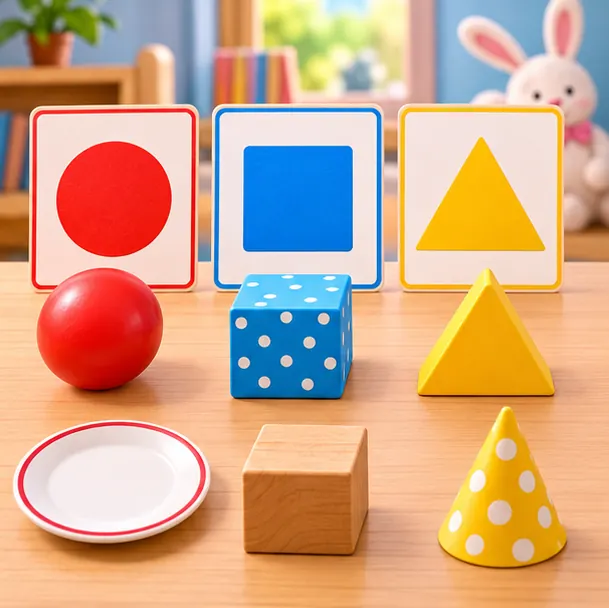
Invite the child to continue the rule on the other shapes. Pause to identify what is a circle, how many circles remain, or which colors appear in the drawing.
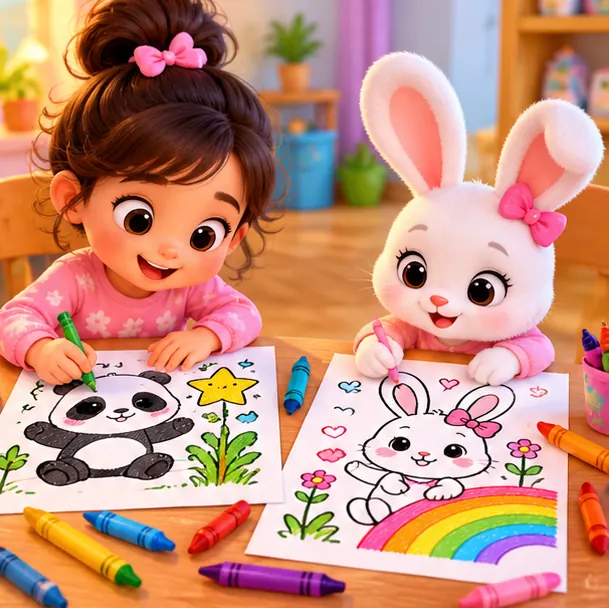
After the first round, let the child decide a new rule and tell you what it is. If the child prefers free coloring, ask them to talk about the colors and objects instead.
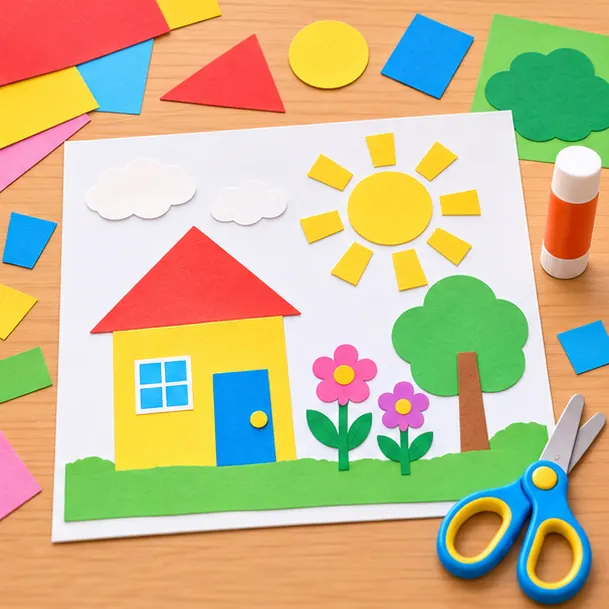
Draw two circles, two squares and one triangle. Ask the child to color circles blue and squares yellow; the triangle can be any color they choose. Count each group together afterwards.
“Which rule are you following?”
“Can you point to the shapes you colored the same way?”
Choose two shapes on a page. Give each shape a color rule, then invite the child to find and color each shape without rushing.
Ask: How did you know which color to choose?
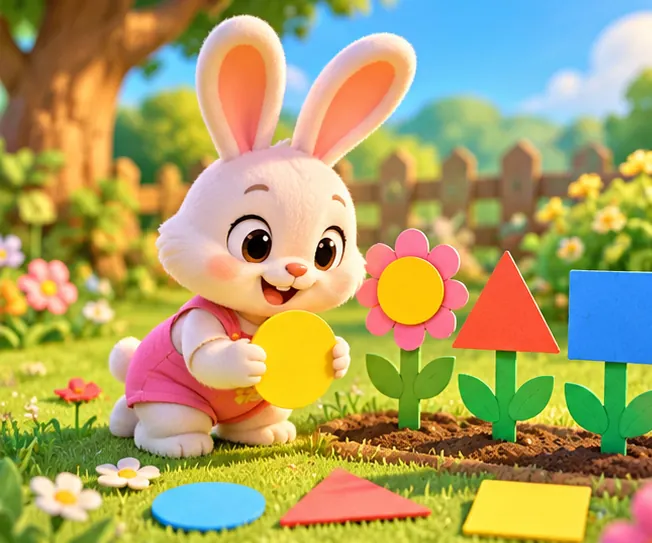
Use the finished picture as a story prompt: name one character, one place and one thing happening. Alternatively, ask the child to find a real object with a similar color or shape.
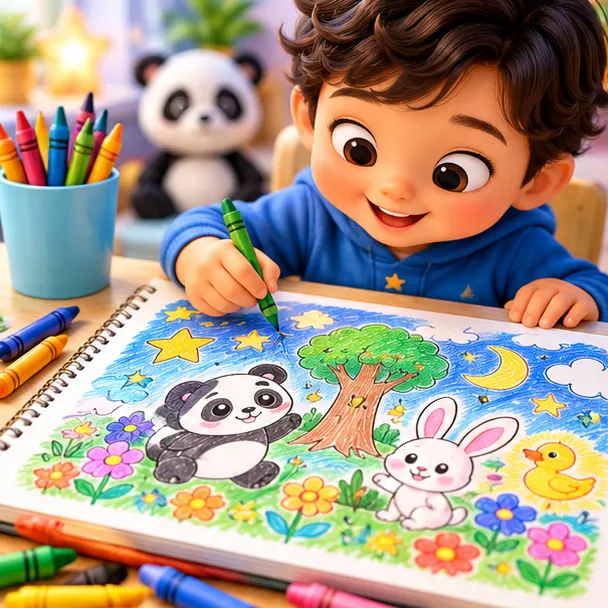
“Which rule are you following?”
“Can you point to the shapes you colored the same way?”
Use just one instruction and large shapes, or let the child point while an adult colors the example.
Combine two rules, such as “color the small circles red and the big circles blue,” only after a single rule is familiar.
Coloring does not need to stay within the lines to be valuable. Offer comfortable tools and a short session; do not make the activity a test of neatness or speed.
Explore Creative activities that support drawing, storytelling and hands-on expression.
Screen-FreeUse Color, Then Tell the Story to color a scene, add a detail and describe what happens next.
For AdultsOffer comfortable coloring tools and let the child choose colors when the learning rule is complete.
Draw a large rainbow with several curved bands. Invite the child to choose crayons or pencils, name colors as they use them, and add clouds, stars or a friendly character to the picture.
Coloring does not need to stay inside the lines to be meaningful. The aim is to explore color words, choices and fine-motor movements at a comfortable pace.
After following one coloring rule, invite the child to add a detail and explain it. For a different kind of creative challenge, try an open-ended drawing prompt.
Explore Related Activities →Use the drawing canvas to make a scene, choose colors and add details. There is no single required picture; the child can describe the choices they made.
Print Color, Then Tell the Story in A4 or US Letter. The child can color the scene, add an original detail and tell or dictate what happens next.
A print-ready coloring and story prompt with space to add new details.
This coloring and story sheet gives children a picture to color and space to add a new detail. Invite them to describe the scene or dictate a short story about it.