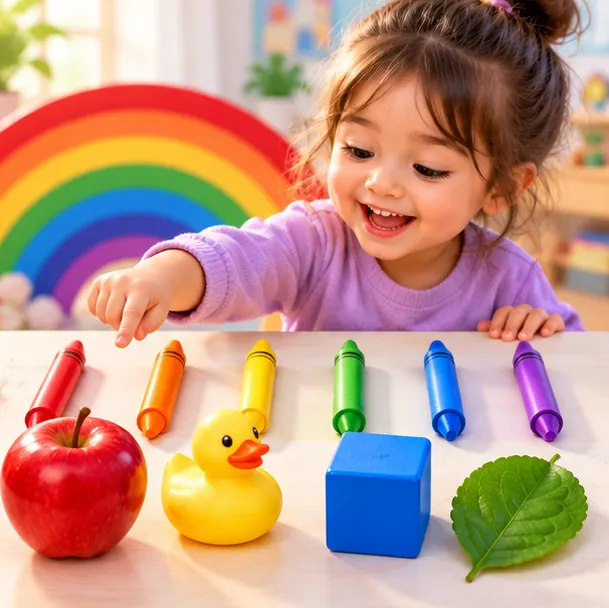
Indoor treasure hunt
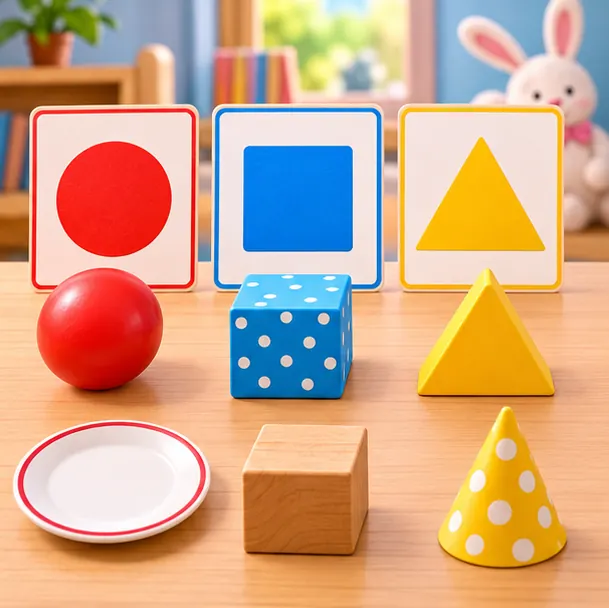
Give one clue at a time: “Find something blue” or “Look for an object shaped like a circle.” Use safe, visible objects and keep the search area small.
Kids4U is designed as a starting point for shared conversation, offline play and simple learning. You do not need special equipment or a perfect lesson plan.
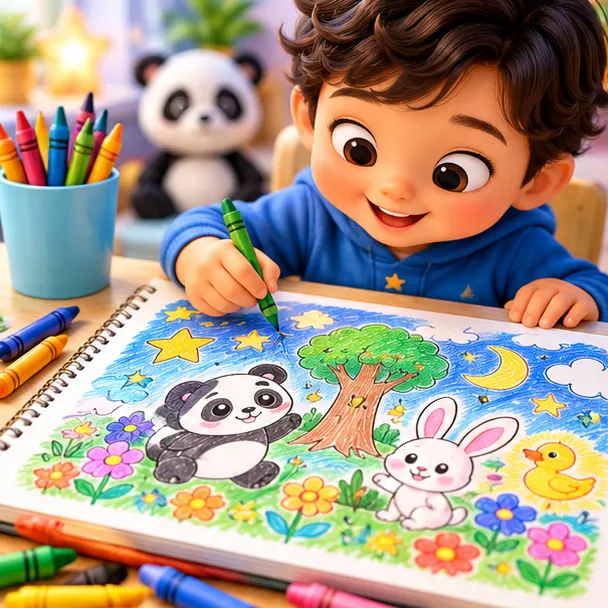
Tell the child what they are about to explore and ask what they expect to see.
Pause for questions such as “What do you notice?” and “What might happen next?”
Draw, count, sort, act out a scene or try a related printable activity.
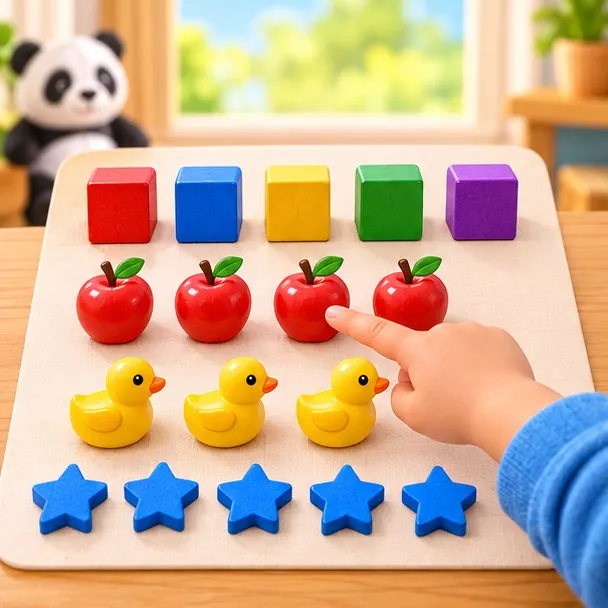
Choose one small activity: count objects, sort colors, find shapes, build a pattern or tell a short story.
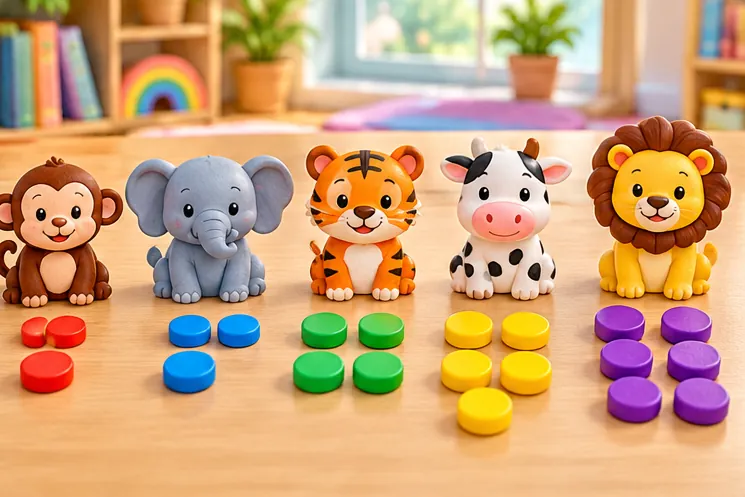
Count toys, steps, spoons or socks. Ask the child to bring a chosen number and check together.
Follow the child’s interest and use questions to turn ordinary play into noticing, comparing and explaining.
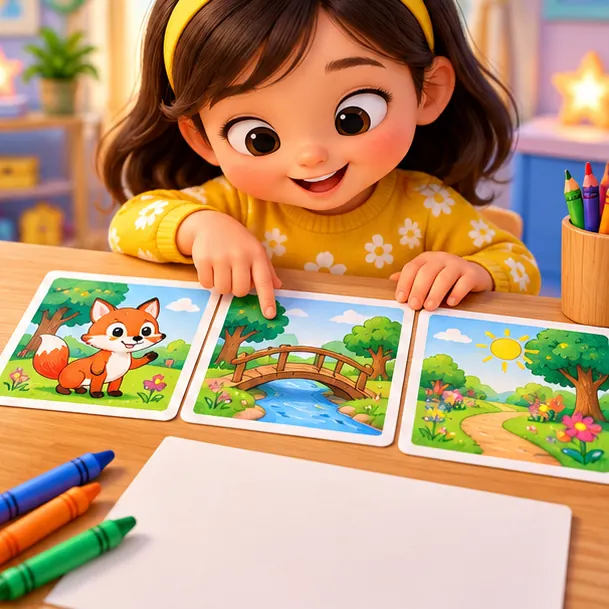
Use beginning, problem, adventure and ending to give children a simple structure for making their own stories.
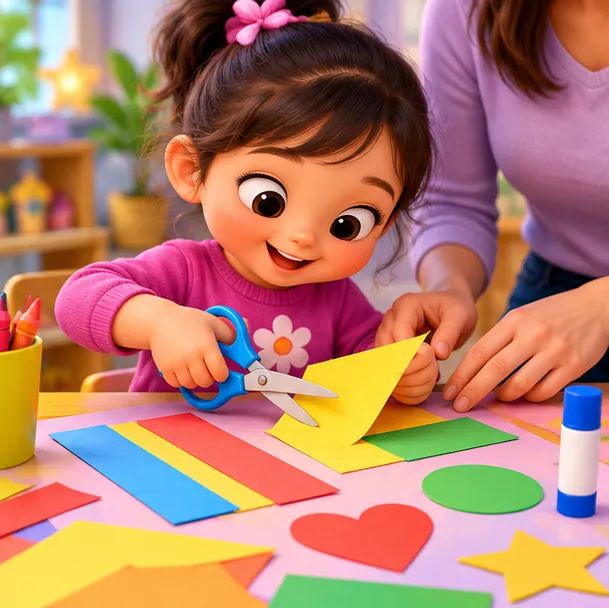
Drawing, tearing paper, cutting with child-safe scissors, arranging shapes and building with blocks can support hand control.

After a story, invite the child to draw a scene, act out a moment, invent an ending or try a related learning challenge.
Age ranges on Kids4U activities are flexible starting points. A child may be ready for one challenge and need more practice with another.
Instead of immediately giving an answer, ask what the child notices, what they tried and what they might try next.
On a rainy day or during a quiet part of the day, use familiar objects and short activities. There is no need to do them all; choose one that suits the child’s energy and interest.
Give one clue at a time: “Find something blue” or “Look for an object shaped like a circle.” Use safe, visible objects and keep the search area small.
Begin with one sentence, then take turns adding a sentence. Help the child make a beginning, a small problem and an ending if they need a prompt.
Use age-appropriate blocks to build a tower. Count each block as it is added, then compare two towers using “more,” “less” or “the same.”
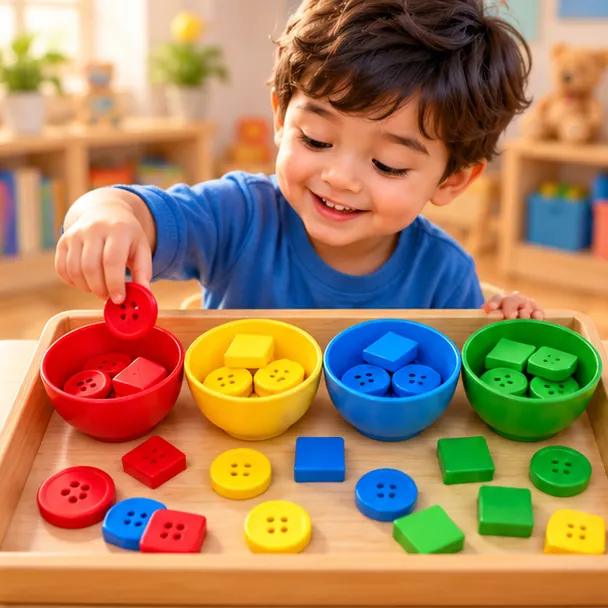
Sort a small set of safe objects by color. Then choose a new rule, such as size or type, and ask what needs to move.
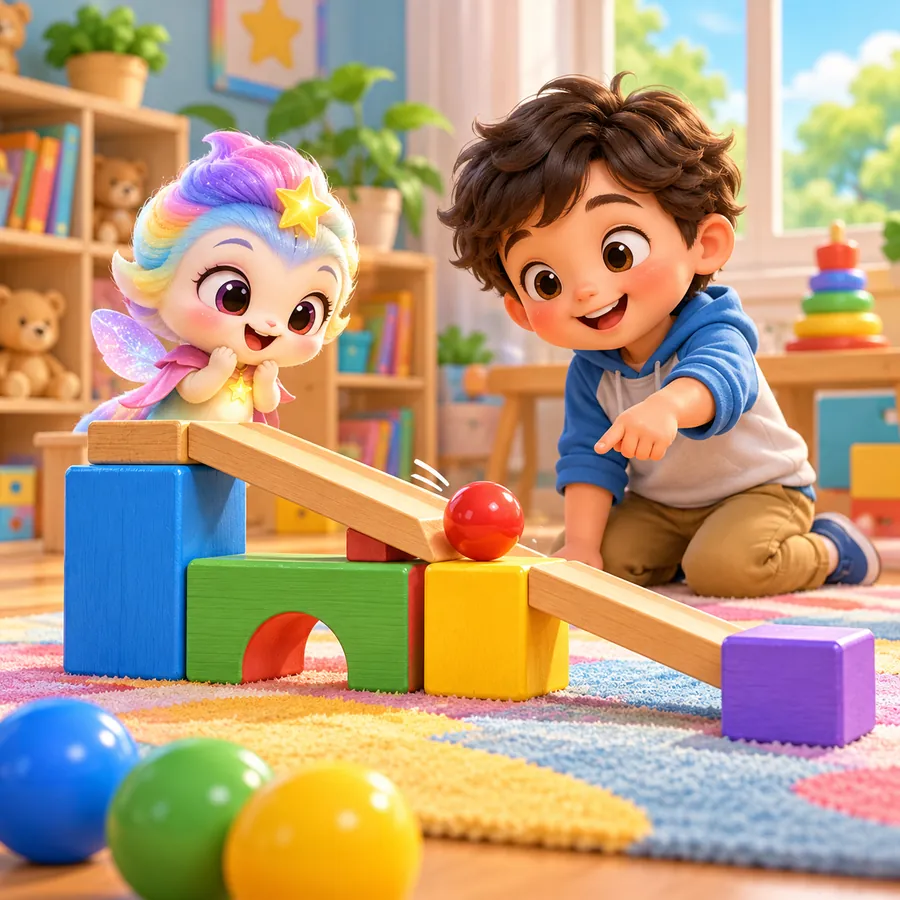
Try a short copy-the-movement game or freeze dance in a clear space. Offer a seated gesture or pointing option when jumping or moving is not suitable.
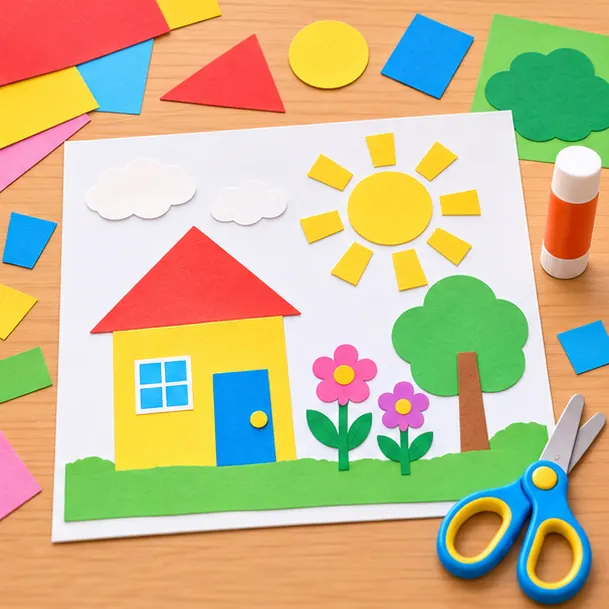
Draw a picture or set up a pretend shop with a few toys. Count the items, group them, and take turns being the customer and shopkeeper without real purchases.
You do not need to turn every moment into a lesson. Choose one small activity when it fits naturally into the day, and let the child’s interest guide how long you continue.
Point out something already happening: socks in pairs, steps on a staircase, a pattern on a shirt or different shapes on a plate. Ask what the child notices before explaining it yourself.
Count a few objects, sort toys by one rule, draw a new ending to a story, or copy a simple movement. Demonstrate once and offer the child a turn.
Ask “What did you try?”, “What changed?”, or “What would you like to do next?” Accept speech, pointing, gestures, drawing or a quiet observation as ways to take part.
Count a few safe objects while tidying or getting ready. Stop at a small number and return later if attention moves on.
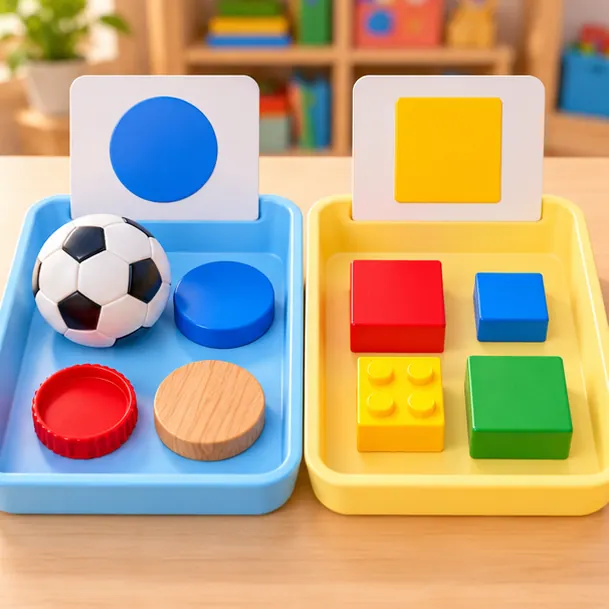
Group a few toys by type, then choose another rule such as size. Ask which items move to a different group.
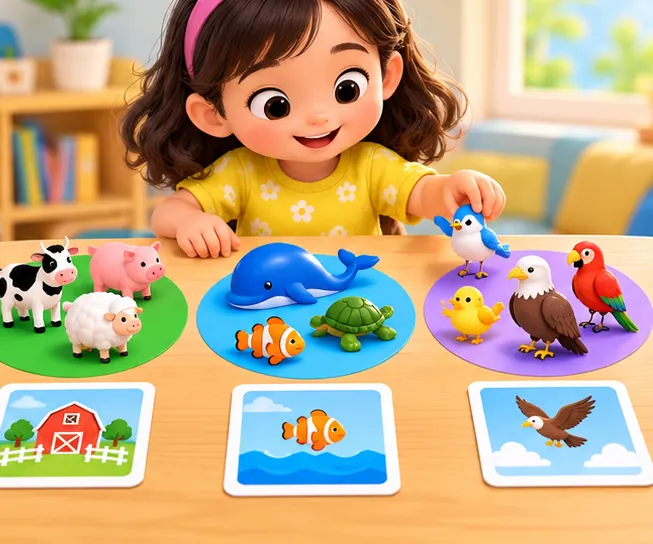
Try a simple copy-my-movement game or have the child choose an animal movement. Keep space clear and offer seated options.
Take turns adding one sentence about a toy’s adventure. Add a problem and think of a few possible endings.
After a color or shape hunt, draw one object and say or show what feature made it a match.
Children learn at different paces. A task may need fewer objects, larger materials, more modeling, a movement break or no written response. These activities are for shared play; they are not a test of a child’s development.
Start with Early Math, Shapes & Colors, Thinking & Logic, or Creative & Fine Motor.
Explore Learn & Play →