Start with a smaller step
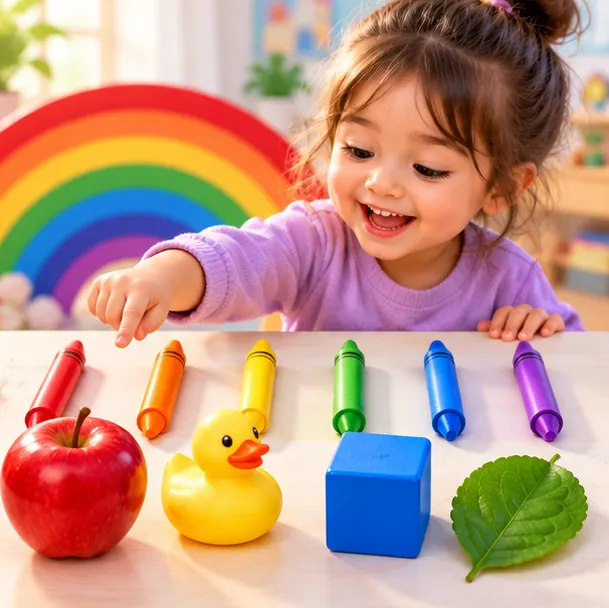
Use two colors and four large objects. Model the first two placements before inviting the child to continue.
Help Bloom Bunny Sort the Rainbow
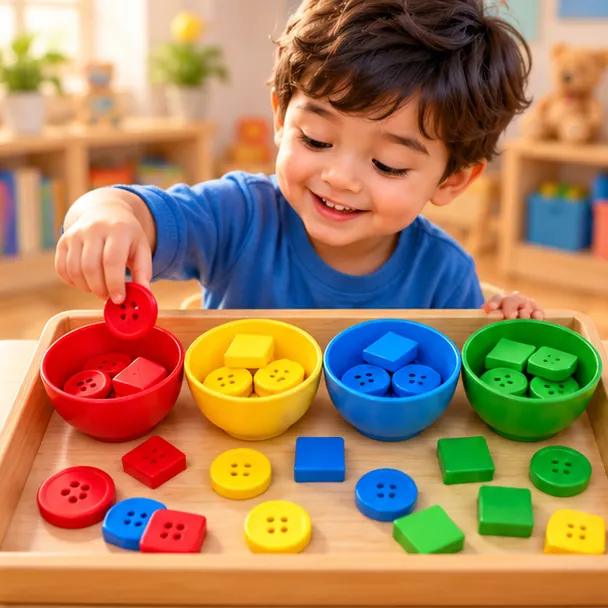
Sort objects into color groups and explain why each object belongs in its group.
Bloom Bunny has mixed-up garden treasures. Help sort them into red, yellow, blue, green, orange and purple groups.
Bloom Bunny has mixed garden treasures. Choose two color groups to begin, then invite the child to place each object with the color card that best matches its main color.
Label each tray with a color card. Start with only two colors, then add a third once the child understands the sorting rule.
Goal: Group objects by one chosen feature and notice when a sorting rule changes.
Choose two clearly different colors and a small set of objects. Name the rule—sort by main color—then model one placement before the child sorts the remaining objects.
Show the color labels and sort one example into each tray. Say the rule out loud: “Red objects go here; blue objects go there.”
Give the child an object and ask which tray matches its main color. Keep the rule the same for the whole round so the child can predict where each object belongs.
Look over one tray together. Ask whether every object follows the rule. If an item is difficult to classify, discuss the color or choose a clearer example instead of treating it as a mistake.
Place red, blue and yellow blocks in a mixed pile. Sort them into matching trays. For the second round, use the same blocks but sort by shape instead of color—explain that the rule has changed.
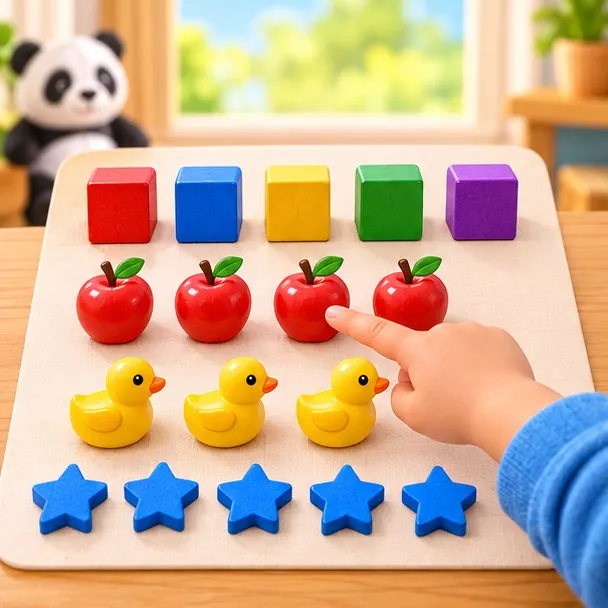
“What rule are we using right now?”
“Which item made you stop and think?”
Make a red group and a blue group. When that is easy, sort the same objects by size or shape instead of color.
Ask: Which object moved groups when the rule changed?
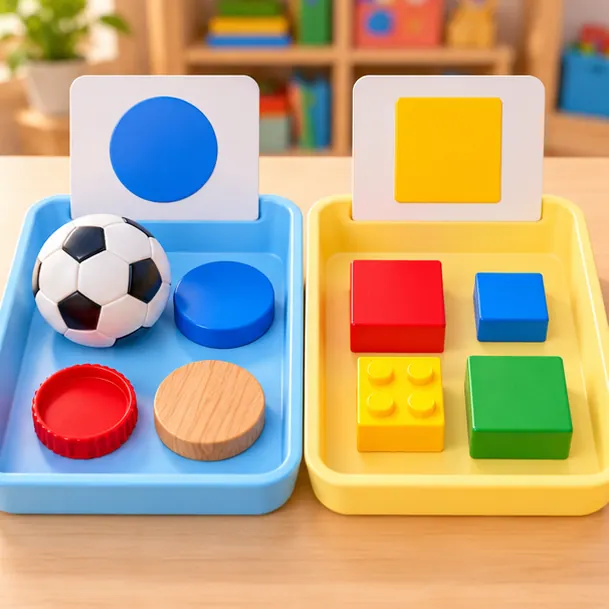
Count each tray and compare the groups. Ask which has more, which has fewer, or whether two groups contain the same amount.
“What rule are we using right now?”
“Which item made you stop and think?”
Use two colors and four large objects. Model the first two placements before inviting the child to continue.
Ask the child to invent a new sorting rule, such as round versus not round, or objects used for drawing versus building. Some objects may fit more than one sensible category; invite an explanation.
Use large washable objects and supervise throughout. Keep the rule simple and do not combine color, shape and function at once until the child has practiced sorting by one feature.
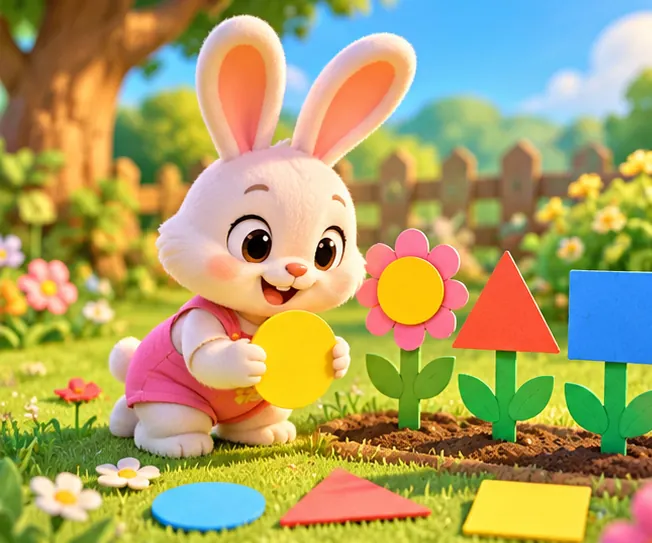
Explore Shapes & Colors activities that practise noticing visual features and using one rule at a time.
Screen-Free
Color Sorting Stations is a dedicated paper activity: children connect colored objects to same-color stations and count each group. Sort It! Shape Stations remains a separate shape-sorting resource.
For Adults
If an object contains several colors, agree on the feature to use—for example, its main color—before sorting it.
After sorting by color, mix the same objects and try a different rule such as shape or size. Ask the child to explain why an object moves to another group.
Explore Related Activities →Choose a color group and place each object with the matching color. Keep one sorting rule for the round, then notice how the groups change when the rule changes.
The Color Sorting Stations worksheet follows the same main-color rule as this online activity. Children draw lines from colored objects to matching stations, then count each group.
Draw a line from each colored object to the station with the same main color. Count the objects in each group.
This worksheet practises sorting by color only. The objects have different shapes so children focus on the stated color rule. Use Sort It! Shape Stations separately when practising shape-based sorting.