Start with a smaller step
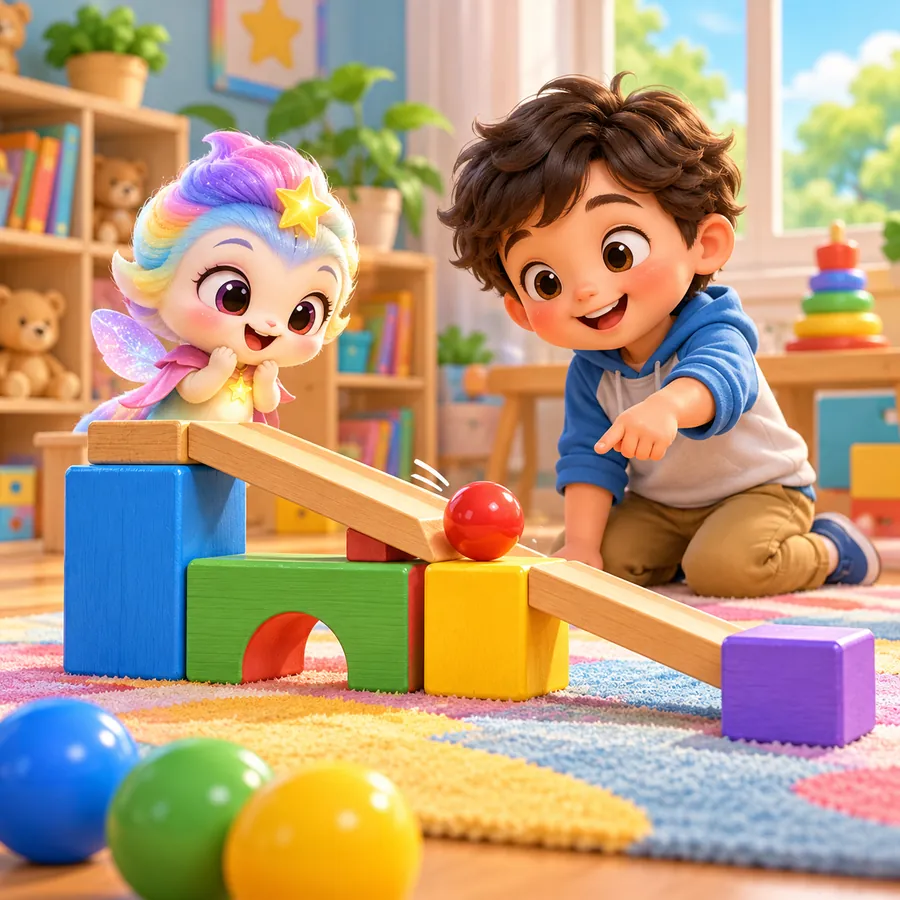
Offer two characters and two places to choose from, then ask only “what happens next?” as the adult helps connect the ideas.
Imagine It. Build It. Tell the Story!
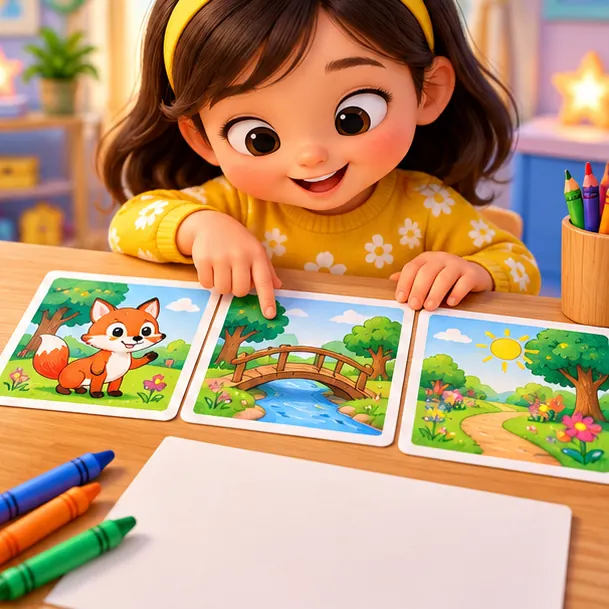
Create an original story by choosing a character, world, problem, action and ending.
Choose Panda, Bunny, Duck, Spider or an original hero. Pick Wonderlight World, Everglow Realm or a world of your own.
Invite the child to choose a Kids4U character or invent someone new. Ask where the character is going and what small problem or surprise might begin the story.
Choose a character and a place before adding a problem. Keep the first story to three parts so the child can finish it in one short session.
Goal: Create a simple story that connects a character, a problem, an action and an ending.
Choose one character, one setting and one event to start. Let the child arrange the choices into a beginning, middle and ending before adding extra details.
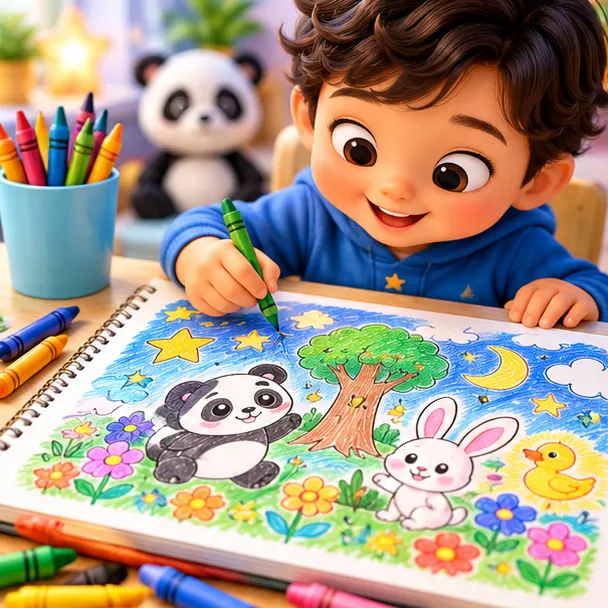
Choose Panda, Bunny, Duck, Spider or an invented character. Pick a garden, a magical door, a bedroom or a place the child knows.
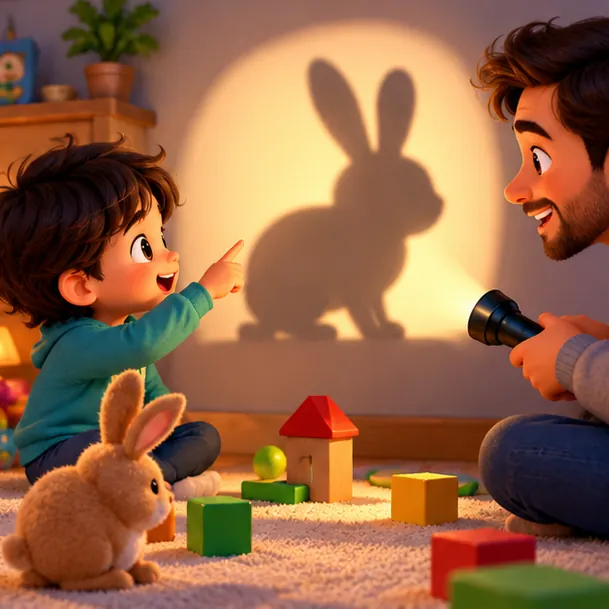
Ask what the character wants or what has changed. The problem can be simple: a star is lost, a path is blocked, or a friend needs help. Invite the child to think of one action that could help.
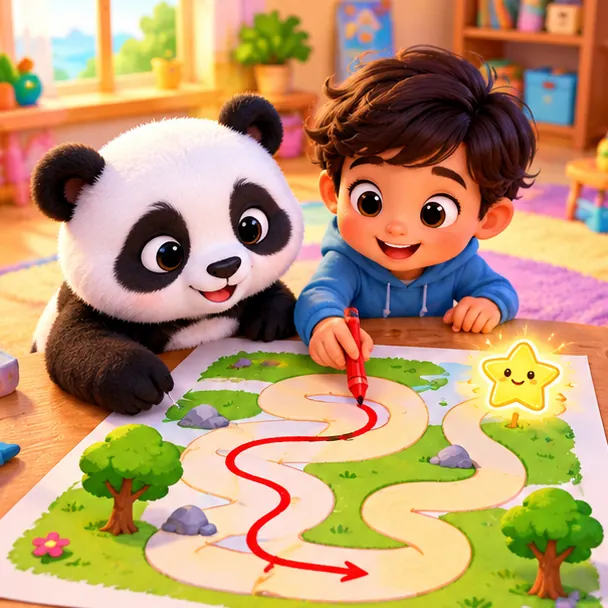
Ask what happens after the action. Tell the story from beginning to end, then invite the child to change one choice and see how the ending changes.
Beginning: Panda finds a star beside a tree. Problem: the star cannot find home. Action and ending: Panda asks friends for clues and they guide the star back to the sky.
“What does your character want?”
“What changes because of that choice?”
Pick three picture cards, tell the story, then change one character choice. Retell the story and notice how the ending changes.
Ask: What changed when the character made a different choice?
Draw three boxes for beginning, middle and ending. The child can draw one moment in each box, tell the story orally, or use toys to act it out.
“What does your character want?”
“What changes because of that choice?”
Offer two characters and two places to choose from, then ask only “what happens next?” as the adult helps connect the ideas.
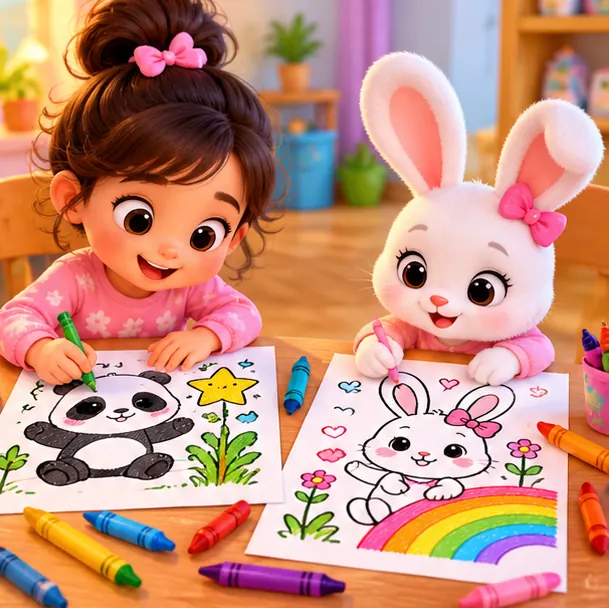
Add a second helper or a surprising clue. Ask the child to retell the same story with a different choice and compare the endings.
There is no single correct story. Encourage the child’s own ideas and avoid correcting imaginative details unless the child asks for help connecting the events.
Explore Stories and Creative activities for more opportunities to invent characters, settings and events.
Screen-Free
Use the story-building printable to draw or arrange ideas for a beginning, a problem and an ending.
For AdultsLet the child tell the story in their own words. An adult can write dictated words without changing the child’s idea.
After the child tells one story, change a single detail—such as the place or helper—and ask how the ending might change. Keep the original story too.
Explore Related Activities →Choose story elements and arrange them into a short idea. Use the choices to tell what happens first, what changes and how the story ends.
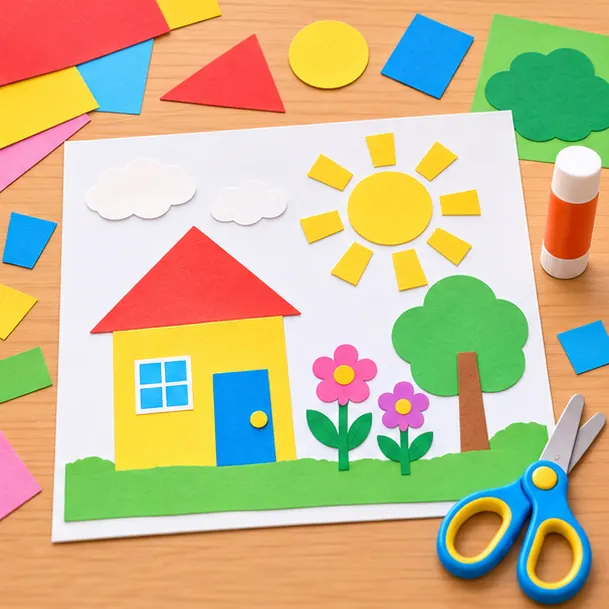
Print the story-building sheet in A4 or US Letter. The child can draw the character and setting, then add or dictate what happens next.
Draw a beginning, a problem and a solution, then tell the story aloud.
This page gives space to develop a story idea. Invite the child to draw the character, show the setting and add an event or ending; writing can be dictated to an adult.