Start with a smaller step
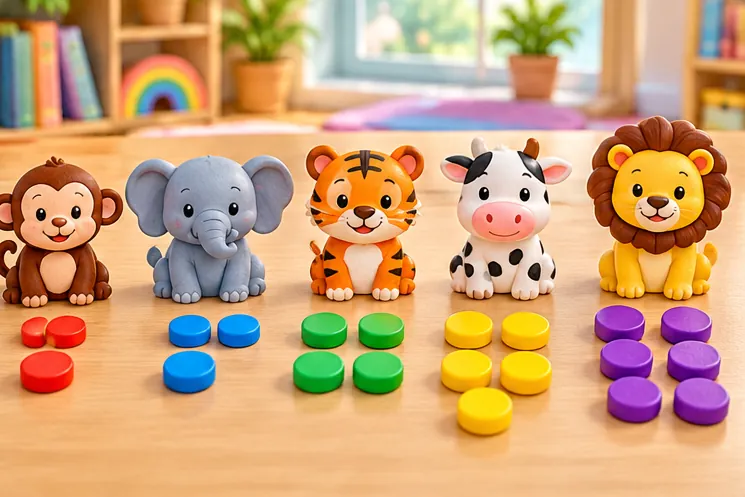
Begin with two or three objects and let the child point while an adult says the number words. If pointing and speaking together is difficult, take turns: adult counts, child moves one object at a time.
Panda’s Counting Adventure
Count objects 1–10, use one-to-one counting, connect number words to quantities, and compare small groups.
Starlight Panda needs help counting ten glowing stars before the adventure can continue. Count slowly, touch each star once, then say the total.
Join Starlight Panda as the stars are counted one by one. Invite the child to move or point to each star while saying one number word, then say how many there are altogether.
Start with three to five objects if counting is new. Place them where the child can reach and point to each one without moving other objects by accident.
Goal: Say one number for each object and use the last number said to tell how many are in the group.
Practise counting from 1 to 10 in a friendly, self-paced game. Count each group carefully, choose the matching number, and celebrate every attempt.
Play Kids4U Number Adventure →
For ages 3–6 with adult support. There is no timer and no penalty for trying again.
Begin with a small group of objects arranged with space between them. Touch or move each object once while counting in order, then count a second group when the first is finished.
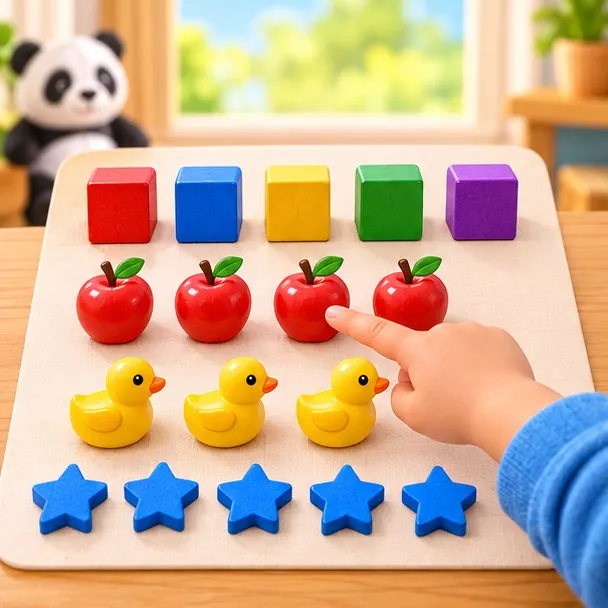
Place three objects in a row with a little space between them. Say, “Let’s count each object once.” Keep the objects still so the child can see which one is next.
Point to the first object as you say “one,” then move it a little to the counted side. Continue one object at a time. When the child is comfortable, try five objects, then add more up to ten.
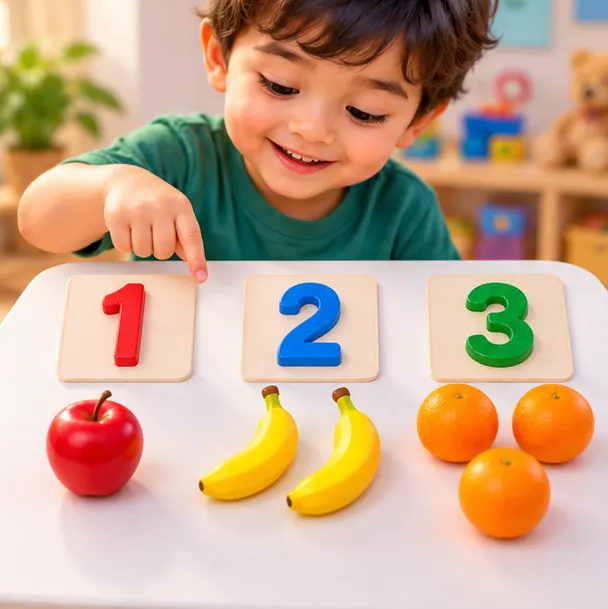
Ask “How many are there altogether?” After the child says the last counting word, repeat that number as the total. Spread the same objects apart and count again to show that moving them does not change how many there are.
Put three blocks in front of the child, count them together, then add two more. Touch each block once while counting to five. Spread all five blocks farther apart and ask the child to check the total again.
“Did we touch each object one time?”
“What number tells us how many there are altogether?”
Make a group of five large safe objects. Count them by touching each one once, spread them out, and count again to check whether the amount changed.
Ask: How can we check without guessing?
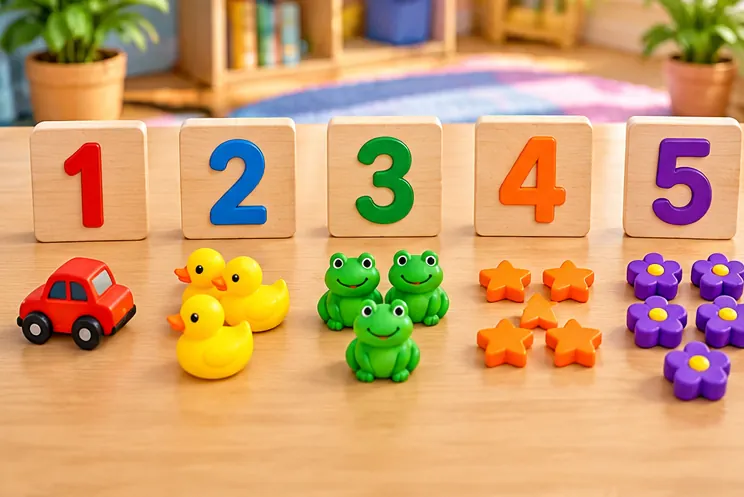
Count safe objects during an ordinary routine—three spoons at the table, four books to put away, or five steps with an adult. Keep the objects still while counting, then move them after the total is known.
“Did we touch each object one time?”
“What number tells us how many there are altogether?”
Begin with two or three objects and let the child point while an adult says the number words. If pointing and speaking together is difficult, take turns: adult counts, child moves one object at a time.
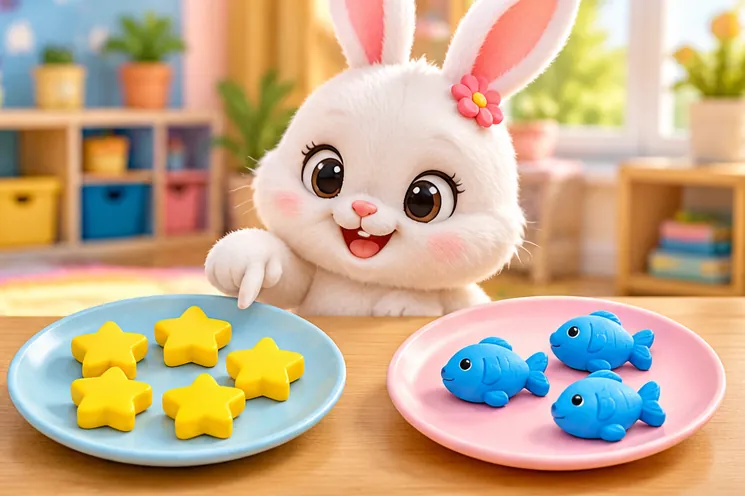
Make a group of seven, hide it under a cloth after counting, then ask the child to make another group with the same amount. Count both groups to check whether they match.
Use large objects, especially with children who may mouth toys. If the child skips or counts an item twice, calmly reset the objects in a row rather than correcting quickly. The useful skill is matching one count word to one object, not racing to ten.
Explore Early Math activities that use counting, numeral matching and comparison of small groups.
Screen-Free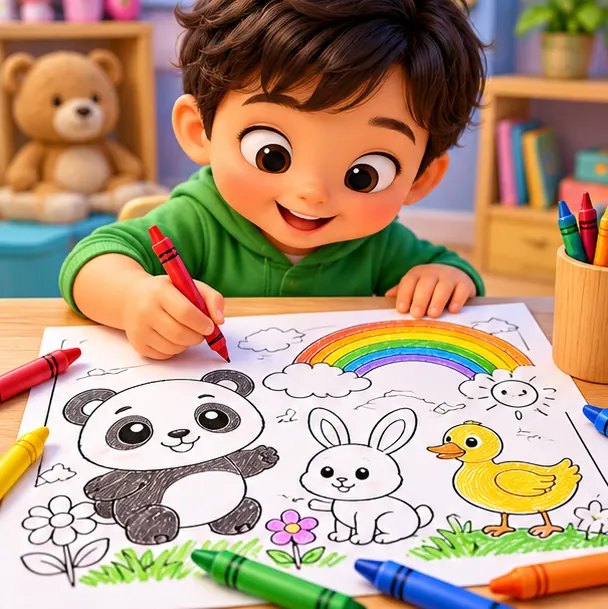
Use Count & Match to count each pictured object once and connect the group to its total.
For Adults
If an object is counted twice or missed, rearrange the group and count again slowly together.
After counting a group, ask the child to make another group with one more or one fewer object. This links counting practice to comparing quantities.
Explore Related Activities →Count the objects one at a time and match the group to its total. Keep track of which objects have already been counted so none are missed or counted twice.
Print Count & Match in A4 or US Letter for paper counting practice. The child can touch each pictured item once, then connect or mark the matching total.
Count the picture groups and circle the number that matches each set.
Count & Match provides picture groups for one-to-one counting. Ask the child to touch each object once, say the number sequence and then identify the total in the group.